



Reptile Conservation Plan
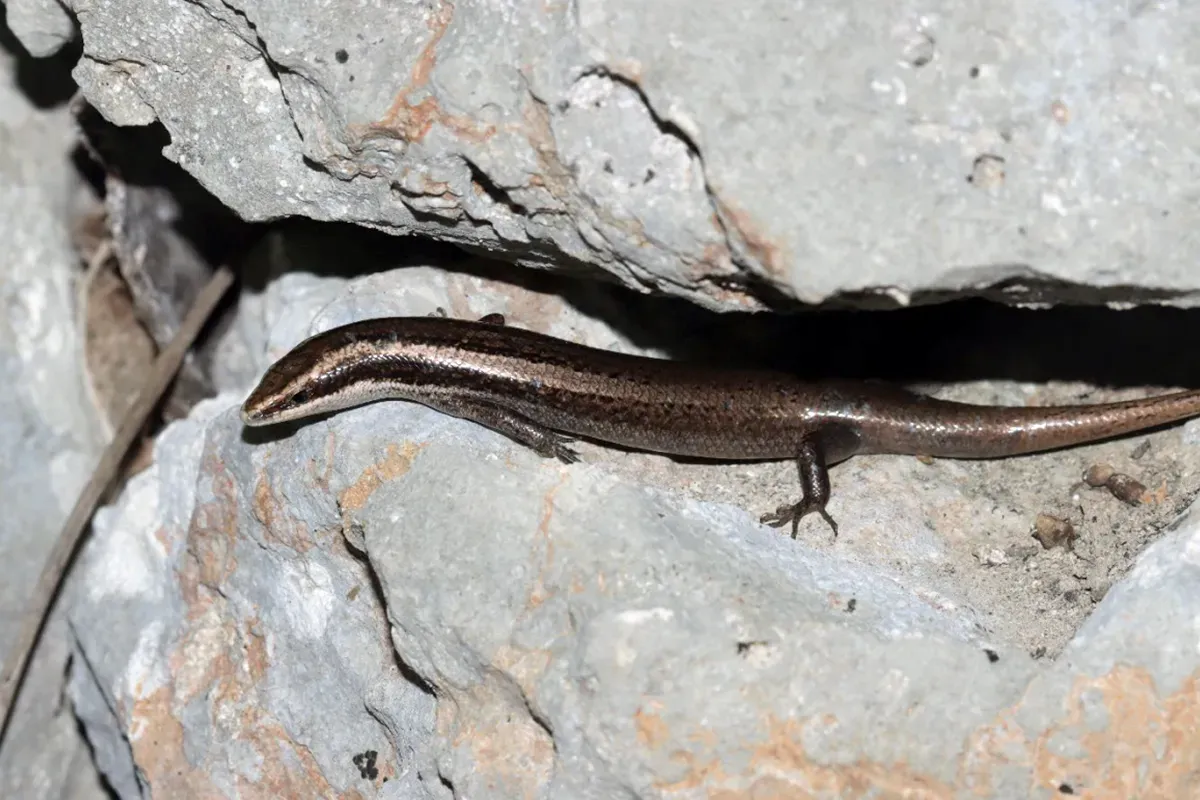
On the islands of Guadeloupe and Saint Martin, several endemic reptile species are now threatened with extinction. In response to this urgent situation, the National Action Plan (NAP) 2026–2031 has been launched to preserve these species, which are unique in the world.
Regarded as a global biodiversity ‘hotspot’, the Caribbean has suffered for many years from human-induced disruption to its ecosystems. Coexistence with human activities remains challenging and is leading to the gradual decline of many species found on these islands. This situation is exacerbated by climate change.
In response to this critical situation, the 2026–2031 National Action Plan (NAP) for threatened skinks, snakes and geckos in Guadeloupe and Saint Martin is developing a strategy for the conservation and restoration of these species and their habitats. Coordinated by the DEAL Guadeloupe, this initiative brings together government departments, nature area managers and scientists. In Saint Martin, the islet of Tintamarre stands out as a strategic focal point of this initiative as it is home to the only local population of Spondylurus powelli. A lizard, observed on stone walls in the western part of the islet, whose conservation remains a complex challenge. Indeed, within this small area, only the coastal strip is designated as a nature reserve and benefits from the protection of the Conservatoire du littoral. The rest of the islet consists of private plots. A real challenge for the PNA.
The six reptile species covered by this plan are all in decline and, in some cases, critically endangered. This initiative therefore aims to reverse the trend. To this end, it is structured around three objectives: to urgently and significantly limit the direct and indirect threats facing these populations; to raise awareness and engage the general public, decision-makers and local stakeholders to foster ownership of these issues and encourage the implementation of public policies; and to acquire the necessary knowledge to effectively protect these species and their habitats. In total, eleven concrete actions are planned under the NAP. This is a crucial challenge, as these species are often endemic, meaning they are confined to a limited area. Their disappearance would therefore represent an irreversible loss to both local and global natural heritage.