





Six months of uncertainty: the hurricane season is here!
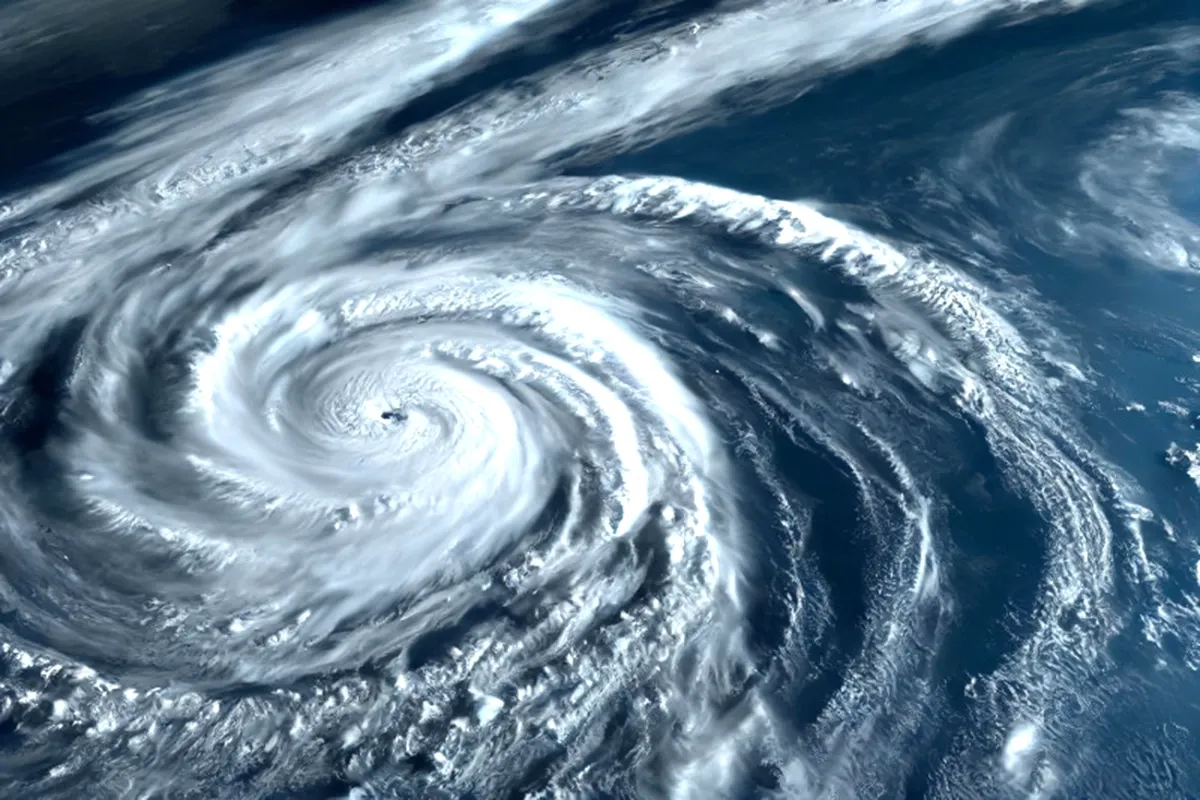
Officially opening on 1 June, the hurricane season will shape the lives of the Caribbean’s inhabitants until 30 November, with its share of tropical waves, depressions, tropical storms and hurricanes… However, this year is expected to be less active than previous ones. But history has shown that it is not the number of storms that is to be feared, but the intensity of the one that makes landfall… and that is something only Mother Nature can decide.
As we enter early June, there is a rather rare consensus among the leading hurricane forecasting agencies: the 2026 Atlantic season is expected to be near-normal, or even slightly below-normal, in contrast to the particularly active seasons seen in recent years. According to Neil Jacobs, administrator of the National Oceanic and Atmospheric Administration (NOAA), there is a 55% chance of a below-average season, a 35% chance of a near-average season and only a 10% chance of a season more intense than average.
The various forecasts compiled suggest a total of between 6 and 16 named storms, 3 to 9 hurricanes and 1 to 4 major hurricanes, with the majority of models falling at the lower end of these ranges.
Why a less active season?
According to meteorologists, this more moderate cyclonic activity is mainly due to the El Niño effect. This climatic phenomenon, which is particularly intense this year, directly influences the formation of cyclones and hurricanes in both oceans. In the Atlantic, it will generate greater wind shear at high altitudes as well as drier air, conditions that are not conducive to the development of hurricanes. Conversely, in the Pacific, the season could prove to be particularly active. Experts also believe that this El Niño event could be one of the strongest observed in over a century. The European Centre for Medium-Range Weather Forecasts has even raised the possibility of a ‘Super El Niño’. Despite generally reassuring forecasts, several worrying signs are nevertheless prompting experts to urge the public to remain vigilant and prepared.
Vigilance for the West Indies
Météo-France Antilles has notably highlighted that the 2025 hurricane season proved to be well below the average for the last twenty years, with a notable absence of systems during the statistical peak in early September. However, the ratio of major hurricanes to the total number of observed events was particularly high. The most striking example remains Hurricane Melissa, which ravaged Jamaica with winds of around 300 km/h. The 2025 season thus serves as a reminder that generally low statistics can mask catastrophic local realities.
Recent studies show that global warming is leading to heavier rainfall, more frequent rapid intensification events, and a potentially higher proportion of very powerful storms. The Caribbean Sea, where surface temperatures range between 27.5°C and 30°C, now acts as an energy reservoir particularly conducive to the intensification of Category 4 or 5 hurricanes.
According to the Caribbean Regional Climate Centre (CariCOF), this persistent heat in the tropical Atlantic could also encourage extreme weather events in several parts of the Caribbean, with increased risks of heavy rain, flash floods, and prolonged drought on some islands of the Lesser Antilles.
As always, seasonal forecasts involve a significant degree of uncertainty. A generally less active season therefore does not mean that the Caribbean arc will be spared from a major event. As forecasters regularly point out: a single hurricane is enough to cause lasting disruption to a region.


