



Lifeguards: the BNSSA is being phased out, making way for the SSA
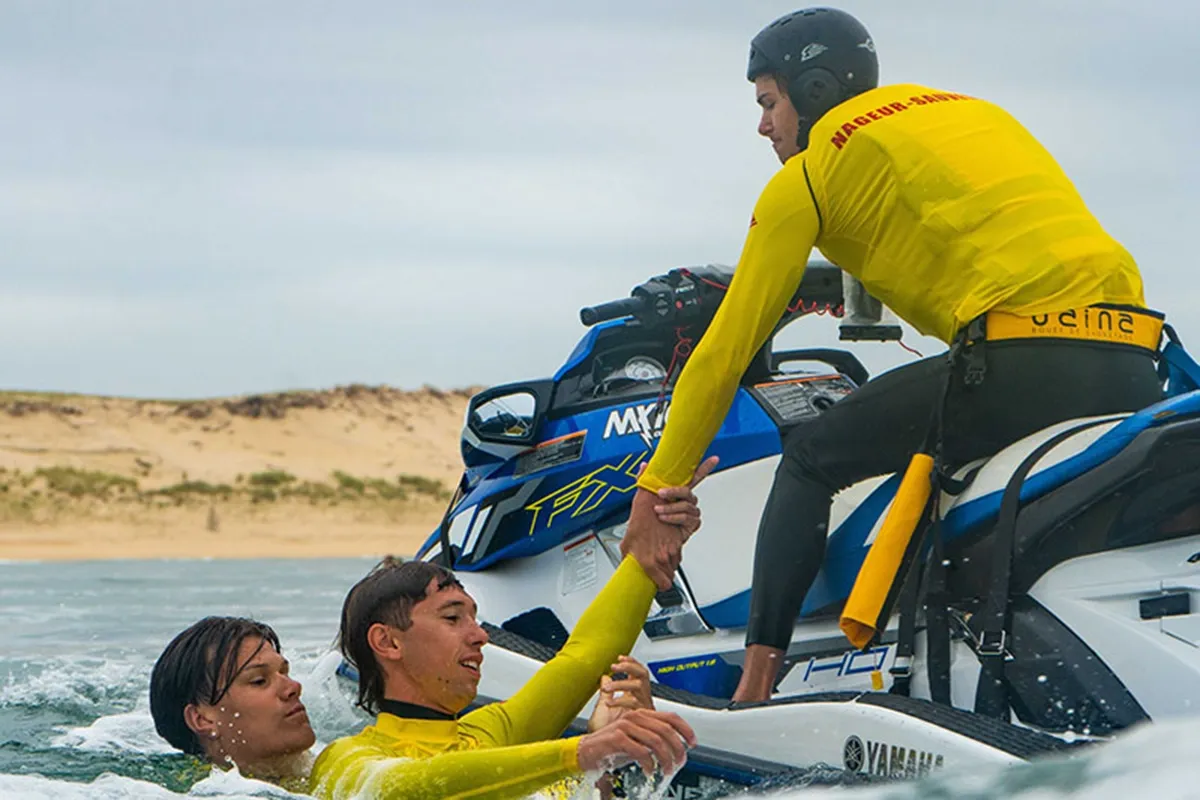
From 1 October, the BNSSA will be replaced by the SSA (Aquatic Lifeguard). Enacted by the decree of 29 July 2026, published in the Official Journal, this reform of the sector aims to better align training with the realities on the ground, but is already causing concern amongst some professionals facing recruitment difficulties.
Established in 1979 primarily to train seasonal lifeguards for beaches and bathing areas, the BNSSA has, over the years, been used far beyond its original purpose, including to provide year-round supervision at swimming pools. With the SSA, the entire training programme is therefore being revised in order to strengthen and standardise lifeguards’ skills. The new course, comprising a minimum of 35 hours of face-to-face training, will place greater emphasis on operational skills: active supervision, risk prevention and anticipation, managing risky behaviour, and rescue and intervention in both natural environments and swimming pools. Swimming will no longer be the core focus of the training but will become a prerequisite, with a technical test to be passed before starting the course. The minimum age for obtaining the SSA is also set at 17, compared with 18 previously for the BNSSA, unless the individual is emancipated. Another major change is that the PSE2 (Level 2 Team First Aid) will become compulsory to obtain the certification, whereas the PSE1 was previously sufficient. However, it may be undertaken alongside the SSA training. Current holders of the BNSSA will have three years to obtain equivalence with the SSA, provided they pass the PSE2 and undertake a refresher course. Training organisations will have six months to apply for their new accreditation for the SSA. These additional requirements have led some recruiters to fear a decline in the number of candidates in a sector where it is already difficult to fill vacancies.