



Three generations under one roof
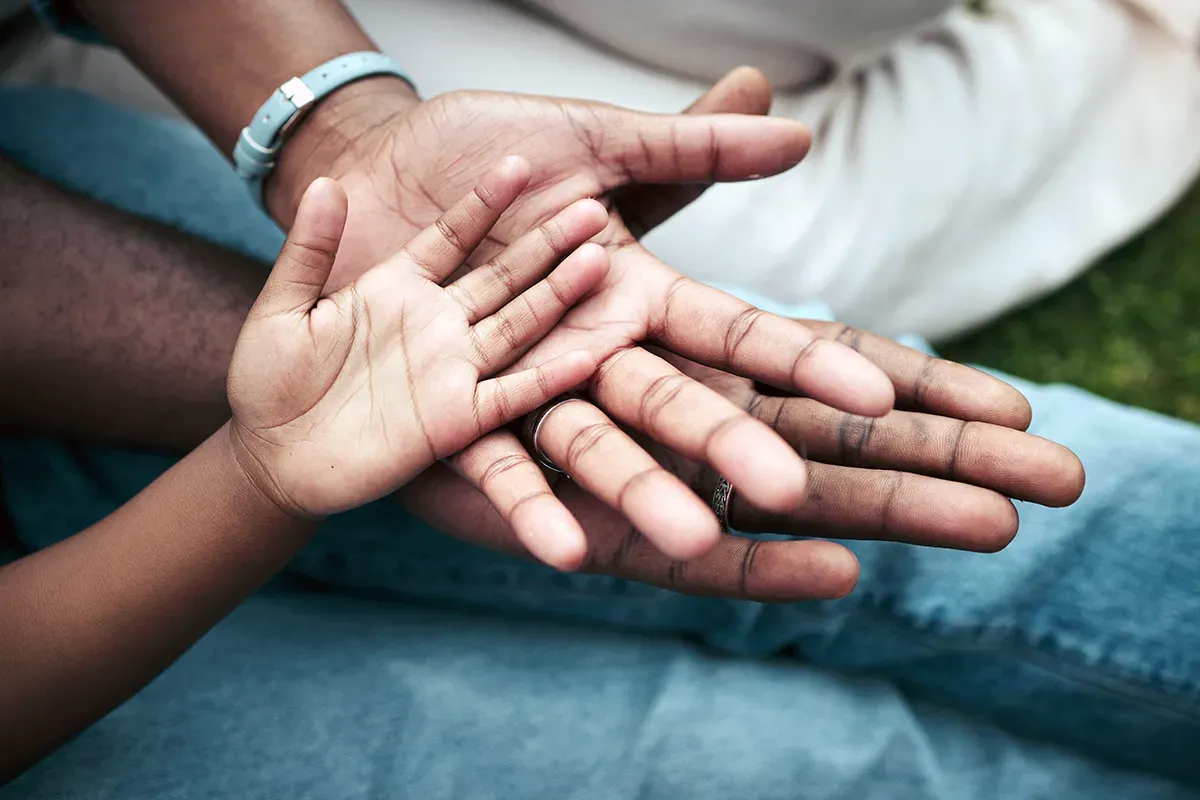
In Saint Martin, 5% of households are multi-generational, according to data published in the January 2026 edition of "Regards" by the Territorial Institute of Statistics and Economic Studies (ITSEE). This is a record in the Caribbean, combining Caribbean tradition with a response to economic difficulties. Between cultural transmission and adaptation to everyday realities, this cohabitation is a unique phenomenon in the Caribbean. (ITSEE). This is a record in the West Indies, combining Caribbean tradition with a response to economic difficulties. Between cultural transmission and adaptation to everyday realities, this cohabitation is redefining the island's family model.
"There are three generations living in the house: my parents, me, and my three daughters," says Rachelle. After her separation, this mother moved back in with her parents out of "family solidarity and also a little bit out of economic necessity." In 2022, nearly 3,000 Saint-Martinois shared the same roof, a figure that places the territory well above Martinique (3.2%) and Guadeloupe (2.9%), and five times higher than mainland France, where this model concerns only 1% of households.
A precious cultural heritage
Beyond the material constraints, this cohabitation is part of a Caribbean tradition where the extended family structures social organisation. "The biggest advantage is that my daughters can spend as much time as possible with their grandparents," explains Rachelle. This proximity encourages the transmission of knowledge and values. Grandparents thus play a role in the education of their grandchildren while benefiting from support in their old age. Solidarity works both ways in a region where childcare facilities remain limited.
Between mutual aid and necessity
While the cultural dimension remains strong, economic realities play a role in these lifestyle choices. "We divide everything equally: electricity, water. It allows me to put money aside," says Rachelle. ITSEE figures reveal that situations can sometimes be difficult: these households experience higher than average overcrowding and lower employment rates. Women are particularly present in these households, often taking on extended family responsibilities. Faced with persistent prejudice, Rachelle stands by her choice: "Some people see it as pejorative to move back in with your parents at my age, but it allows us all to move forward together. I can prepare a healthier future for my daughters, but also be there for my parents." Behind these figures lies a complex social reality, where family solidarity remains a reassuring model in the face of current challenges. In Saint-Martin, the multigenerational home is not a retreat, but a collective force that combines tradition and resilience.