


Waste management: achievements and challenges
In Saint-Martin, waste management is a race against time. Under the leadership of Bernadette Davis, chair of the Living Environment and Ecological Transition Committee, Laurent Guillaume, director of the Environment and Ecological Transition Department, provides an update on infrastructure, the challenges on the ground, as well as the concrete solutions expected for 2026 and 2027.
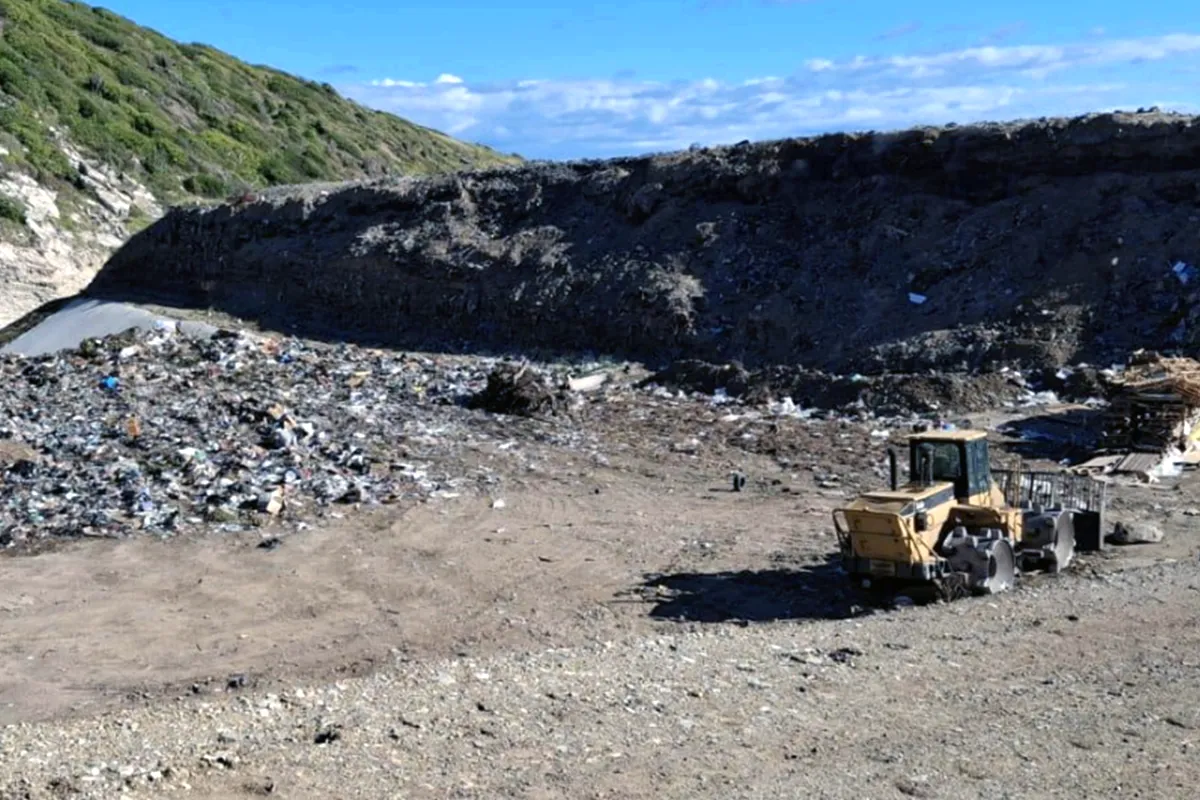
The Grandes Cayes Non-Hazardous Waste Storage Facility (ISDND) is the only landfill site in the French part of the island, operated by Verde Sxm. This is where all waste that cannot be recycled ends up for disposal. The site receives around 40,000 tonnes of waste per year. The problem is simple: the landfill is filling up faster than it is being emptied. Cell number 10, commissioned in January 2025 with a capacity of 48,000 m³, was already 35,000 m³ full by the end of 2025. It is expected to be completely full by April 2026. Raising the cell would buy an extra three months — which is insufficient. A more substantial expansion project, the Méta-Casier, with a capacity of 140,000 m³, has been undergoing administrative review since September 2024. If approved, it would provide five years of additional capacity. Verde Sxm and the Collectivité are sounding the same alarm: without a swift decision, the region risks running out of space as early as 2026. “Year after year, we’re scrambling to free up capacity,” sums up Laurent Guillaume. In the longer term, Verde Sxm is pursuing a waste-to-energy project to generate electricity — authorisation and planning permission have been secured, and tariff negotiations are underway. Added to this is a growing problem: Sargassum. In 2025, 13,677 tonnes were processed at the site, a 1,000% increase since 2020.
A lack of civic-mindedness
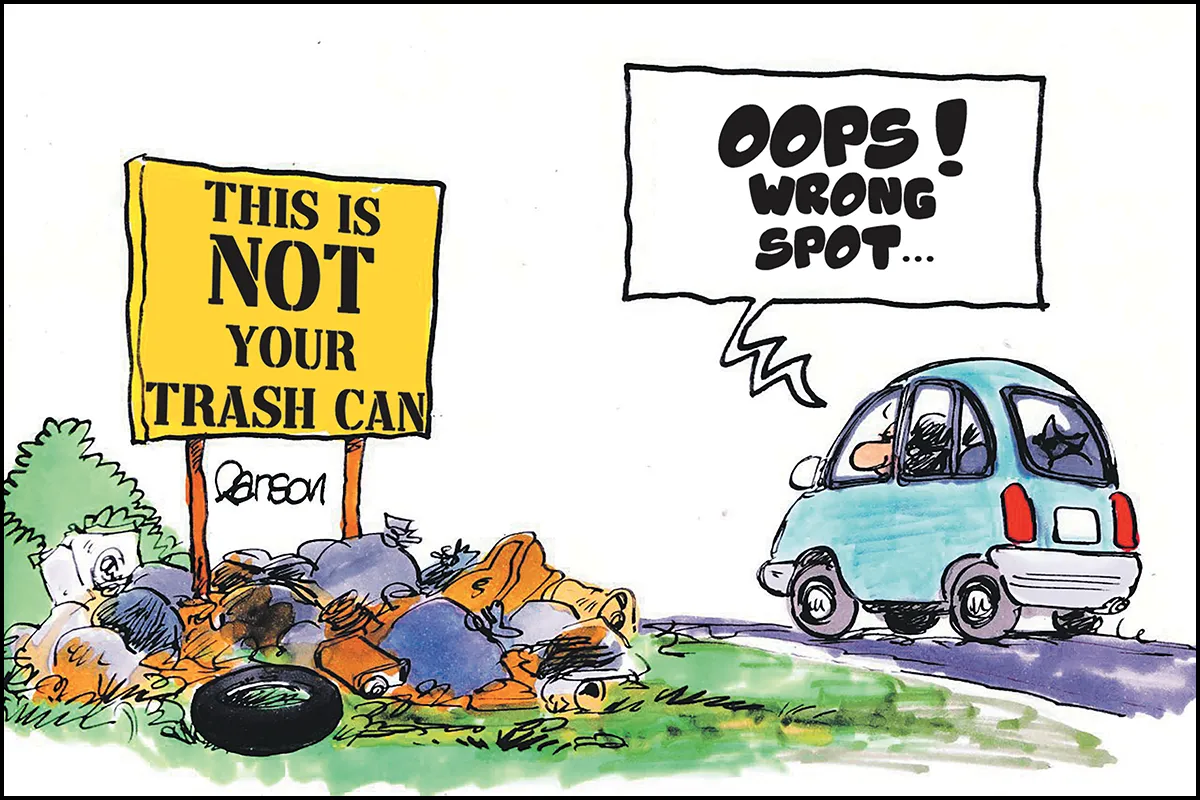
Saint-Martin faces specific challenges due to its limited space and homes situated away from main roads. These realities have led to waste collection being organised around voluntary drop-off points — over a hundred bins spread across the territory, emptied frequently due to the climate. The rule is clear: household waste in the green bins, packaging in the yellow bins, glass in the dedicated bins, bulky items at the Galisbay recycling centre. In practice, this sorting is rarely followed. “We find rubble, tyres, oil. That has no place there,” laments Laurent Guillaume. Careless individuals, businesses circumventing their legal obligations, traders using public collection points instead of private channels: misuse is widespread. Yet the facilities exist. The Galisbay waste collection centre is free for private individuals. Awareness campaigns are being run with increasing regularity. So why do some people continue to dump their waste anywhere? The question of civic duty remains unanswered, and the explanations offered are unconvincing. (Note: for several weeks, the bins were not emptied due to a change in the waste collection contractor. The situation has since been resolved.)
Future solutions
On the infrastructure front, two new recycling centres are planned: one near Grand Case, the other in Quartier d’Orléans. Bringing facilities closer to residents to reduce distances and, with them, the temptation to dump waste anywhere: that is the stated aim. The first is estimated to cost €4 million, partly funded by ADEME — a budget that includes the roadworks needed to develop the site. Commissioning is scheduled for 2027. On the enforcement front, from 2026, the Urban Cleanliness Brigade will be sworn in. Its officers, trained and authorised by the President of the Territorial Council, will finally have the power to record offences and issue fines on the spot. Three types of offences provided for in the Criminal Code will then be officially recorded and penalised. “They have the technical training. What was missing was the legal training. We are committing to that this year.”
For Laurent Guillaume, the message is clear: “A waste holder is responsible for its disposal and must do so in accordance with the rules.” A course has therefore been set for the next two years, with crucial results for the island and major environmental challenges.


