


Women’s Centre: two years on, needs remain significant

The film “La Maison des Femmes” was screened last week at the Maison des Femmes in Saint-Martin. It highlights the existence of these facilities, the mechanisms of violence, and the importance of comprehensive care in the treatment pathway for victims. It provided an opportunity to take stock of the facility just under two years after it opened.
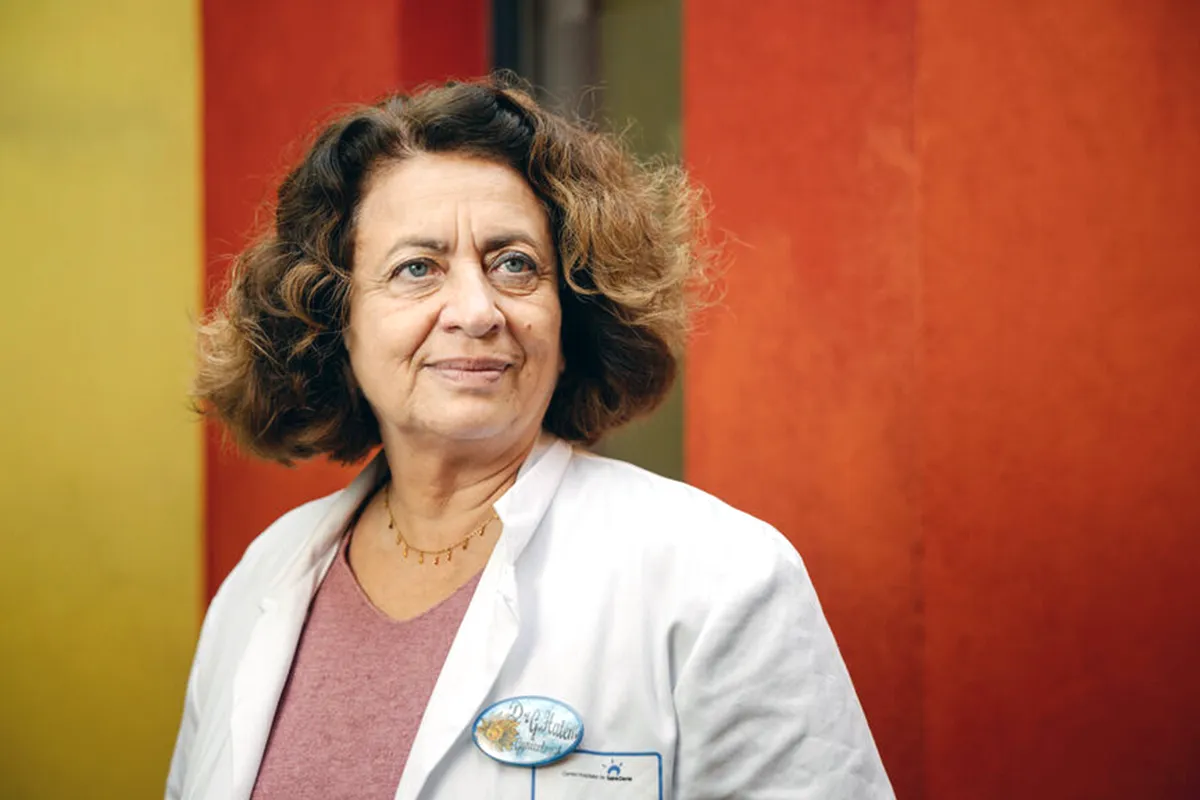
Ghada Hatem, an obstetrician-gynaecologist, is the inspiration behind and the true heroine of Mélisa Godet’s film, which was released in cinemas on 4 March. In 2016, she opened the first Maison des Femmes in Saint-Denis, on the outskirts of Paris: a centre offering support, advice and prevention services for all women in difficulty. Today, there are 34 Maisons des Femmes. The one in Saint-Martin was the first to open in the Caribbean.
The film sheds a different light on violence against women, showing the energy deployed by multidisciplinary teams working to help women of all ages—who are suffering, threatened, psychologically broken, brutalised, raped or mutilated—to rebuild their lives. Even at the risk of jeopardising their own well-being. It is this model of comprehensive care that has been replicated at the Maison des Femmes in Saint-Martin, which supports 200 female victims every year.
The crux of the matter: funding
At the inauguration in July 2024, the then Prefect, Vincent Berton, pledged that government departments would partner with the organisation to support it, and the Collectivité, through the voice of Michel Petit, 4th Vice-President, representing Louis Mussington on the day of the inauguration, did the same. But today, there is still much to be done to enable the Maison des Femmes to continue its work and ensure the long-term sustainability of its services, within a framework of comprehensive and multidisciplinary care. Currently, victims can consult a lawyer, file a complaint through a weekly gendarmerie duty service, have their children looked after, and access emergency accommodation funded by the Prefecture. However, certain services still need to be added to the support pathway.
An agreement has already been signed with the hospital’s A&E department: in cases of suspected violence, the duty doctor alerts the Maison des Femmes. The next step is to strengthen this link. Following the example of the Maison des Femmes in Saint-Denis, which is attached to a hospital, the aim is to develop closer collaboration with the Louis-Constant Fleming Hospital to provide comprehensive care, particularly through the provision of hospital staff. The recruitment of a coordinator is also being considered to ensure the continuity of care. The application has been submitted to the ARS by the hospital.
The recruitment of a full-time psychologist also depends on funding. At present, a private psychologist provides face-to-face consultations on request, whilst a second psychologist conducts consultations via video link.
The workshops (drama, sophrology, yoga, dance, French lessons, etc.) have had to be put on hold, again due to a lack of funding. However, resuming them is essential to guarantee a multidisciplinary care pathway. Ultimately, a different activity should be offered every afternoon.
The aim is to build a personalised care pathway for each woman.
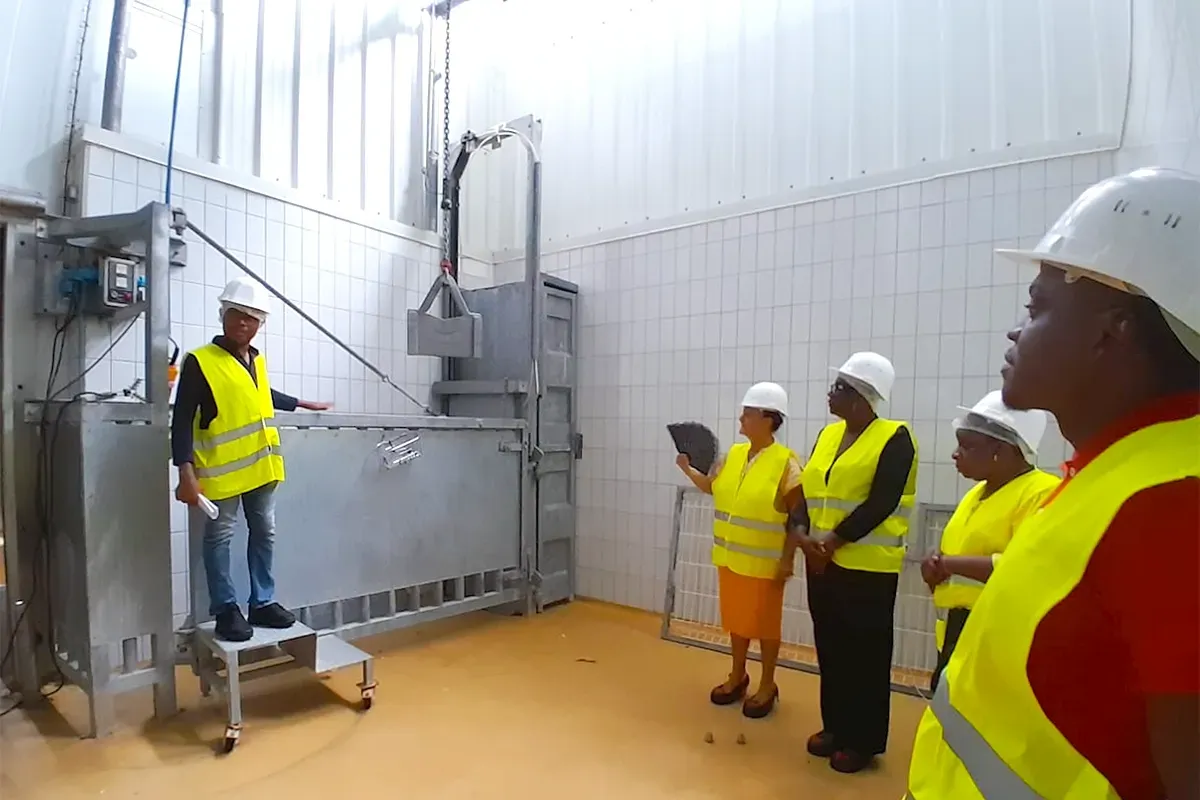
The partnership agreed last month, during the visit by the national director of France Travail, is a significant step forward in supporting women who are victims of violence, who are often financially dependent on their abuser. Employment, synonymous with independence, is the key to a return to a normal life. A monthly drop-in service will now be provided at the Maison des Femmes. This partnership also provides for the training of local France Travail teams in identifying situations of violence so that they can refer these women to the centre.
With a budget allocated to fit out an office, this agreement is the first to be concluded between France Travail and the Maisons des Femmes network. Saint-Martin serves as a model that is set to be replicated in other territories.