


2026 A-levels: 71.6 per cent pass rate in the first sitting
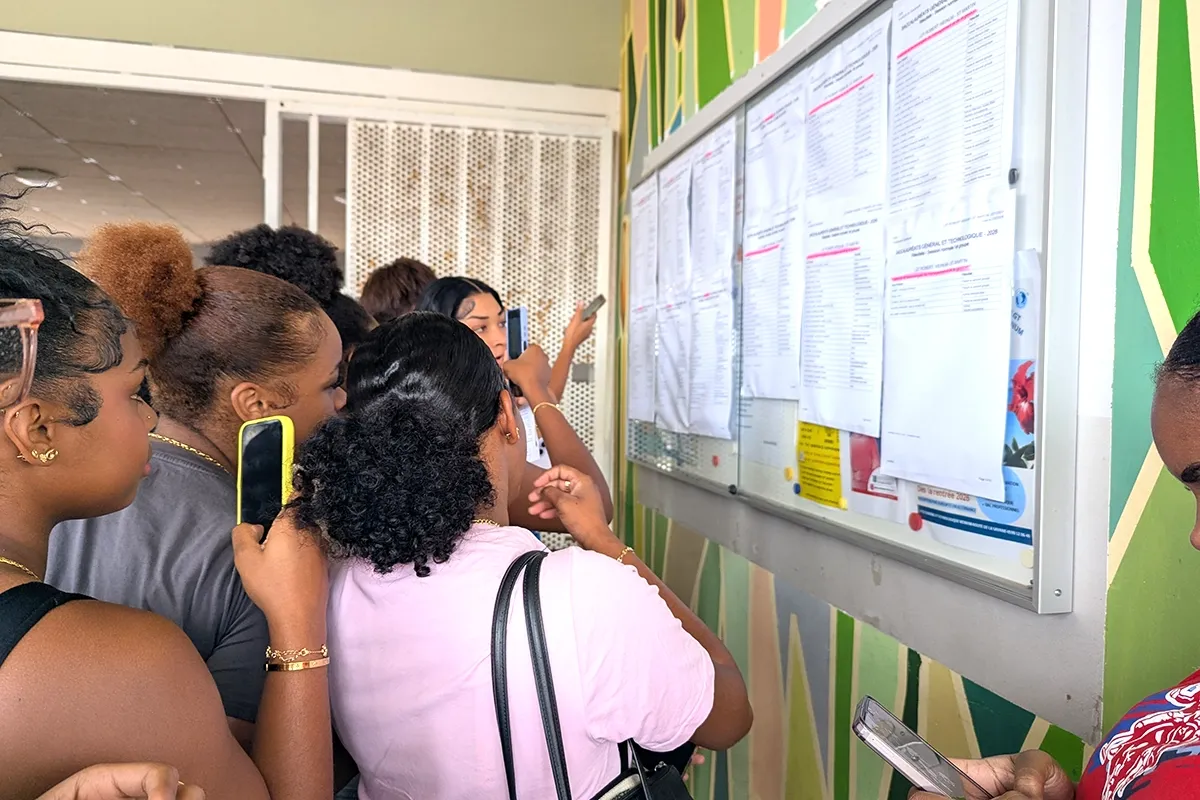
On Tuesday 7 July, pupils in their final year of the general and technological streams were able to read out their names in front of the gates of Robert Weinum High School. It is a tradition that the pupils continue to take part in.
From 9am, a buzz of excitement filled Robert Weinum High School. Gathered in front of the school gates, everyone was looking for their names on the noticeboards. “It’s an event you simply can’t miss! ”, says Charlotte, a Year 13 pupil sitting her A-levels. “It’s losing its charm a bit, especially now that results are available online, but it’s really lovely to be with everyone and experience this moment together”, says the future student of the BTS in property management. A sentiment shared by her classmate Wawen: “It was important for me to come and see the results; it marks the end of a whole year’s work,” explains the baccalaureate graduate, who will be starting at the Sciences Po campus in Reims next term.
83.6 per cent of pupils passed the general baccalaureate
Whilst the pupils are delighted with their results, the headteacher of Robert Weinum High School shares their satisfaction. “Last year, the results were excellent, but this year we’ve raised the bar even higher,” exclaims Laurent Chabassier. “In the technological streams in particular, we have far fewer students who have been deferred and, above all, far fewer students going into the second round.” Proud of his pupils, the headteacher highlights their success rates: “We’re looking at around 80 per cent of pupils passing across all streams in the first sitting, and we expect between 95 per cent and 97 per cent to pass in the second sitting.” These results are expected to be published as early as next week, following the resit exams. At Robert Weinum High School, 239 final-year pupils sat the baccalaureate this year.
In Saint-Martin, 405 candidates sat the June 2026 session, across all streams. Of these, 290 passed after the first set of exams, representing 71.6 per cent of those who sat the exams. This is an increase compared with 2025, when 67.5 per cent of candidates passed in the first round of the exam.
For the general baccalaureate, the pass rate stands at 83.6 per cent, 66 per cent for the technological streams and 63 per cent for the vocational streams. These figures are up on those for 2025, whilst all 13 candidates from Saint-Barthélemy passed the first round of examinations, representing 100 per cent of those who sat the exams. It is also worth noting that the top student in the academy passed her exam in Guadeloupe with an average mark of 19.32 out of 20.
Looking ahead to the new school year
Whilst the new Baccalaureate graduates can now enjoy their summer holidays, their headteacher is already thinking about the start of the new academic year. With their diplomas in hand, the pupils are preparing, in a few weeks’ time, to spread their wings and move on to higher education institutions. “Over 95 per cent of pupils have had their choices confirmed on Parcoursup; now all that remains is for them to find accommodation and get to know their new town,” says Laurent Chabassier. To accommodate the new generation of pupils, Robert Weinum High School will have fifteen additional classrooms available from the start of the new term. These premises have been freed up following the move of secondary school pupils to the new Soualiga school. Three of these classrooms will be allocated to the new BTS in Tourism, which is launching in the region at the start of the new term. Eighteen students, including nine on full-time courses and nine on work-study programmes, will join this course. This programme replaces the BTS in Accounting, the final cohort of which will graduate in 2027. “This is a development in the range of courses on offer that responds to demand from students, but also from professionals in the sector in Saint-Martin, Sint Maarten and Saint-Barthélemy,” explains the school’s headteacher, Robert Weinum.
The qualification is expected to open up career opportunities and enable residents of Saint-Martin to train without having to leave their island.