



Cruises: between promoting tourism and health risks
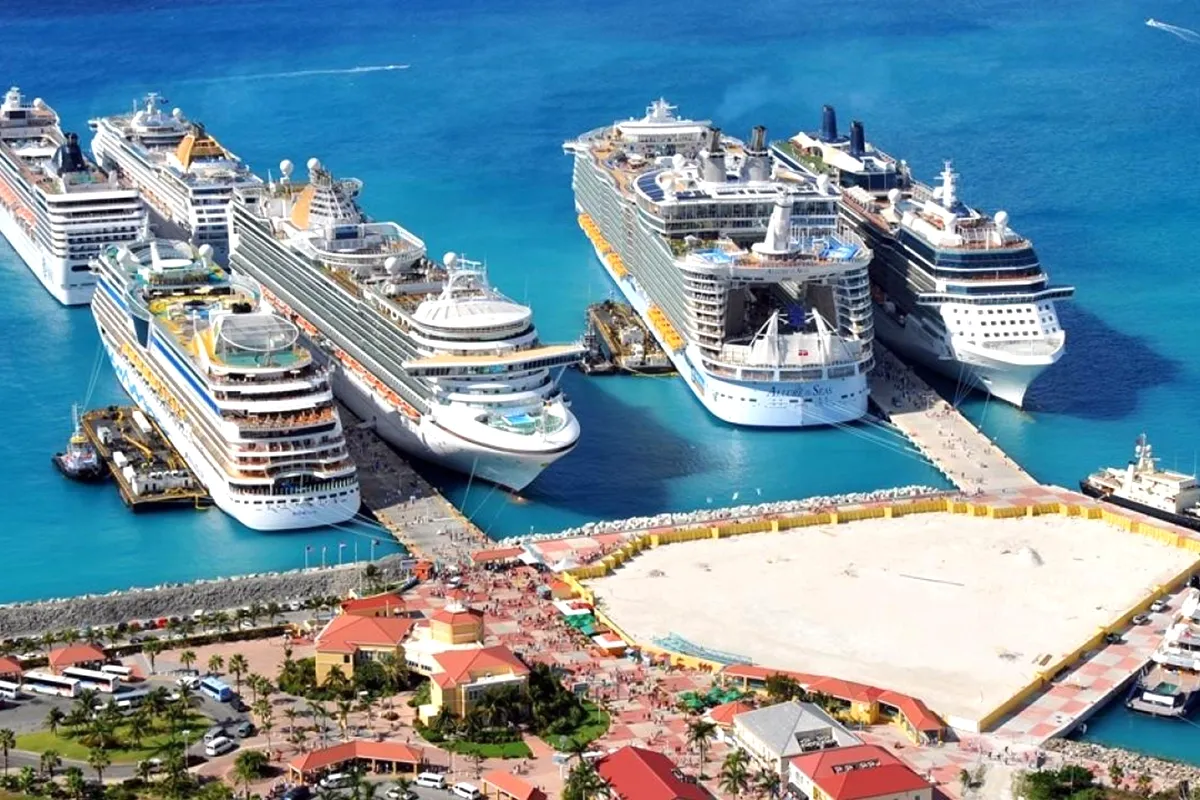
The Sint Maarten Tourist Board and the Saint-Martin Tourist Office jointly took part in the 20th edition of the ‘CLIA Cruise Conference 360’ in Fort Lauderdale, one of the cruise industry’s leading global events, bringing together more than 5,000 professionals from a sector navigating a balance between growth and health crises.
Under the theme ‘Two nations, one unforgettable experience’, the two destinations presented a joint showcase highlighting the island’s culture, cuisine, landscapes and activities. The delegation also took advantage of this trade fair to engage with industry stakeholders and boost the destination’s visibility on the international market, particularly among American travellers.
This promotional campaign, however, comes at a particular time for the cruise industry. Whilst cruise passengers represent a significant economic boon for Sint Maarten and, to a lesser extent, for the French part of the island, the sector’s growth also raises questions, both in Saint Martin and elsewhere in the Caribbean. Are small islands truly prepared to deal with potential outbreaks of disease, whether minor or serious? Jamaica has stepped up health surveillance at its cruise ports. But in Saint Martin, a territory shared between two states and two health systems with differing protocols, the question is worth asking.
Since the start of 2026, the CDC (Centres for Disease Control and Prevention) has recorded several outbreaks of gastrointestinal illnesses on board cruise ships, mainly linked to norovirus. On average, one ship is affected each month. Yet, even before these infections are identified, thousands of passengers disembark during stopovers, with the potential risk of spreading the virus among local populations. Despite these incidents, the global cruise market continues to grow at a steady pace and Caribbean destinations remain locked in fierce competition to attract cruise lines and passengers. It remains to be seen to what extent these island territories will be able to balance economic development, healthcare capacity and public safety.